Gold
Gold  Palladium

Investing in Silver
1 oz Monex Silver Eagle Rounds
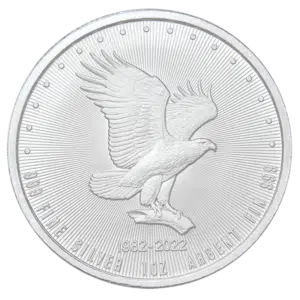 Sold in quantities of 100$6,830.98Go to1 oz Monex Silver Eagle Rounds
American Silver Eagle Coins
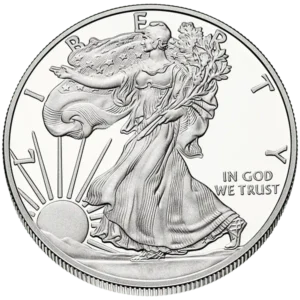 Sold in quantities of 100$7,295.29Go toAmerican Silver Eagle Coins
American Silver Eagle Type 2 Coins
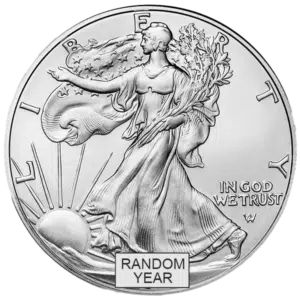 Sold in quantities of 100$7,296.30Go toAmerican Silver Eagle Type 2 Coins
Canadian Silver Maple Leaf Coins
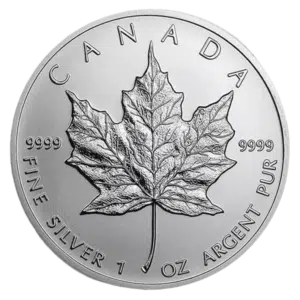 Sold in quantities of 100$6,827.97Go toCanadian Silver Maple Leaf Coins
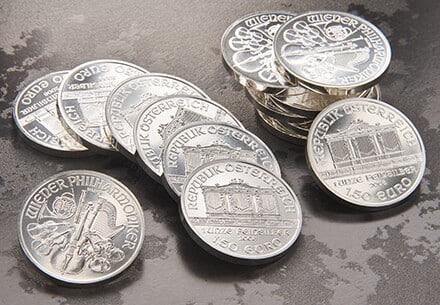
Vienna Philharmonic Silver Coins
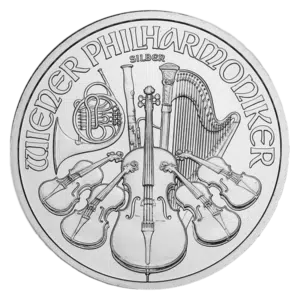 Sold in quantities of 100$6,819.93Go toVienna Philharmonic Silver Coins
Silver Canadian Bald Eagle Coins
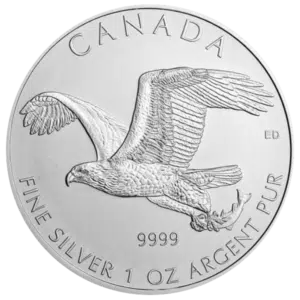 Sold in quantities of 100$6,981.73Go toSilver Canadian Bald Eagle Coins
1.5 oz Silver Canadian Maple Leaf Coins
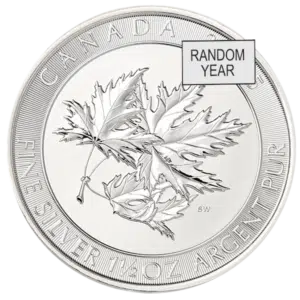 Sold in quantities of 60$8,326.00Go to1.5 oz Silver Canadian Maple Leaf Coins
1.5 oz Silver Canadian Falcon Coins
 Sold in quantities of 60$8,326.00Go to1.5 oz Silver Canadian Falcon Coins
1 oz South African Silver Krugerrand Coins
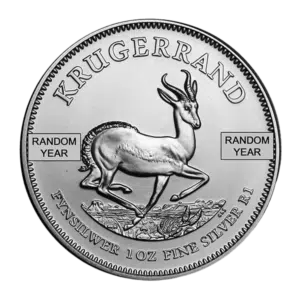 Sold in quantities of 100$7,084.24Go to1 oz South African Silver Krugerrand Coins
1 oz SS Tilawa Silver TreasureRand Coins
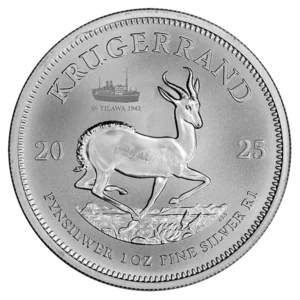 Sold in quantities of 100$7,271.00Go to1 oz SS Tilawa Silver TreasureRand Coins
British Silver Britannia Coins
 Sold in quantities of 100$7,080.22Go toBritish Silver Britannia Coins
40% U.S. Silver Coin Bags
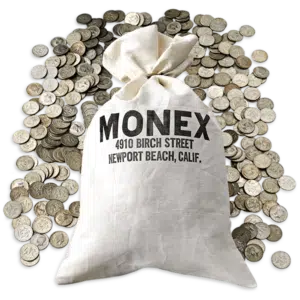 Sold in quantities of $1K$19,045.00Go to40% U.S. Silver Coin Bags
90% Silver U.S. Coin Bags
 Sold in quantities of $1K$46,187.00Go to90% Silver U.S. Coin Bags
Silver Coins
According to the silver industry analysts at the CPM Group, investors have chosen to purchase silver because it has helped protect individuals’ wealth from the volatility of the stock, bond and currency markets. Silver has also helped investors to stabilize wealth over the long term, and given them exposure to periodic, and sometimes dramatic, rises in silver prices. Bullion coins represent a popular and convenient way to invest in silver.
Monex offers high-quality silver coin investments, including pure one ounce coins produced by mints around the world. Also available are $1,000 face value bags of 90% silver U.S. dimes or quarters and $1,000 face value bags of 40% silver U.S. Kennedy half-dollars.

For your convenience, Monex silver coins are available for sale online or by contacting one of our knowledgeable Account Representatives.
With billions of dollars in transaction volume, a two-way buy/sell market and consistently competitive prices, Monex remains a preferred source for physical silver investments.
Contact a Monex account representative today and learn more about the features, advantages and benefits of each of these silver investing options.
SS Tilawa Silver EmpireBars
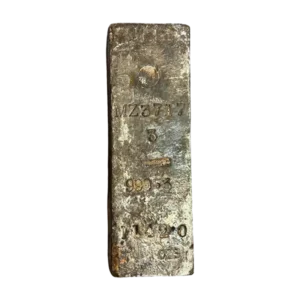 $80,972.00Go toSS Tilawa Silver EmpireBars
1000 oz Silver Bars
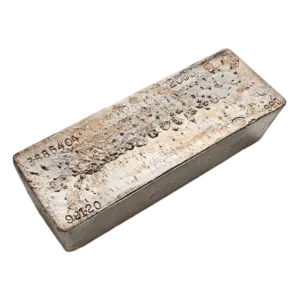 $66,695.62Go to1000 oz Silver Bars
100 oz Silver Bars
 $6,654.10Go to100 oz Silver Bars
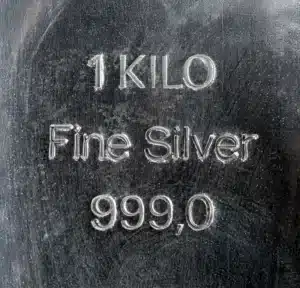
1 Kilo Silver Bars
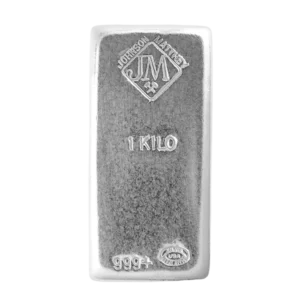 $2,172.73Go to1 Kilo Silver Bars
10 oz Silver Bars
 Sold in quantities of 10Call For PricingGo to10 oz Silver Bars
10 oz Monex Silver Bars
 Sold in quantities of 10$6,781.74Go to10 oz Monex Silver Bars
Silver Bullion
It is estimated that most of the gold mined throughout history still exists in one form or another. Silver, however, is different. According to The Silver Institute, more than 95% of the silver mined throughout history is gone forever, consumed by industrial use, and unrecoverable at any price. Today’s inventory comes primarily from recycling operations and as a byproduct of lead, zinc and other mining activities.
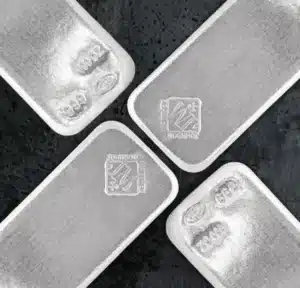
Monex offers a variety of pure .999 fine silver bullion bars. The 1,000 oz silver bar is the standard industry unit. Each bar is stamped with the manufacturer’s hallmark and the exact bar weight which can range from 10% over or under 1,000 ounces.
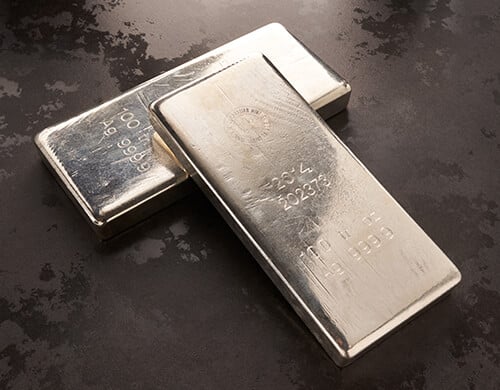
Also available is the more convenient 100 ounce pure silver bar produced by either an extrusion process, machine fabrication or a free-pour method. These bars are manufactured by a number of trusted refiners, and each bar is stamped with the refiner’s hallmark, exact weight and fineness and serial number. Other silver bullion options include the 10 oz silver bar sold in units of 10 and the impressive one kilo silver bar sold individually.
Monex account representatives are available between 5:30 a.m. and 4:30 p.m. Pacific time each Monday through Friday (except national holidays) and on many weekends.



Learn More About Precious Metals
Investing in precious metals shouldn’t feel complicated. Whether you’re building long-term wealth or drawn to the timeless appeal of silver, Monex gives you the tools to make informed, confident decisions.

Investor Kit
Want your kit sooner?
Faster delivery
is available by phone.
800-444-8317
Why should I invest in silver?
While gold is the most popular form of precious metal to own, many investors buy silver coins and bullion bars in addition to their gold holdings because it offers them several attractive advantages. Silver’s price is far less costly per ounce than the other precious metals and as such larger quantities can be purchased with the same investment dollars. In addition to silver’s value as a monetary metal, it is a highly essential industrial metal. Silver is the best conductor of heat and electricity and has unique reflective properties, making it indispensable for the growing demand of solar power at any price.
Should I invest in silver bars or silver coins?
Large 1,000 ounce silver bars, the common commercial delivery form of silver investing, are the most cost efficient way to hold silver. However, because they weigh about seventy pounds, they are typically chosen for depository storage rather than keeping at one's home. 100 ounce silver ingots cost slightly more per ounce than the commercial lot size, but offer advantages for handling.
For the most convenient and divisible form of silver, coins are preferred, especially for small lot investments. Investors who prefer having silver at home tend to choose silver coins, while those using bank/depository storage facilities choose silver bullion bars as well as silver coins.
While coin investment results are nearly the same as bars, the advantage with coins in one’s personal possession is the ability to sell your coins without the cost and delay of an assay. When selling bullion bars that you have had in your possession back to a dealer, an assay is required to verify its weight and fineness. However, when your bullion bars are stored, there are no assay fees required or delivery charges.
What is the process when purchasing silver from Monex?
Once you have decided on the quantity of silver bars or silver coins to purchase, your Monex account representative will assist you in executing your order over the phone, and your purchase and price will be confirmed on a recorded line after your acknowledgment. A written confirmation will be sent to you with the details of your order.
Payment must be initiated on the day of purchase, which means you must mail or wire funds on the day of your purchase. Upon payment verification, you have the power to decide if you want your physical metal shipped directly to your home, made available for pick-up at secure depository facilities located throughout the U.S., or have your metal delivered to a bank/depository for storage.
What silver products does Monex offer to investors?
Monex offers silver in investment quality forms as silver coins and in highly refined bulk form as silver bullion bars. Coins are government-issued with a face value in its currency, though its intrinsic metal value is generally much higher. Bullion coins fluctuate in price based on their metal value and are not scarce collector coins with numismatic value. Purchase prices on coins are generally higher than bullion bars due to minting costs and the advantages of being in coin form. However, the investment outcome is much the same as with bars because selling prices of coins are generally higher than for bars.
Can I track my Silver Shipment Online?
Yes. Once Monex has received payment and the funds are confirmed and considered reliable good funds, Monex will direct one of its independent shipping facilities to package and assign it to either USPS or UPS for delivery to you. Once Monex has received a tracking number for your shipment, you will be notified by email or telephone. If you prefer to pick-up your silver at one of our affiliated secure locations, you will be notified when it arrives and you can take possession at your convenience, anytime within a couple of weeks without storage costs.
How do I know the products I get from Monex are authentic?
Monex guarantees the authenticity and fineness of all of its bullion bars and coins. All silver bullion bars are imprinted with the refiner’s name, exact weight and fineness. Monex only sells silver bars produced by refineries approved by the COMEX. All silver coins are produced by government mints. The Royal Canadian Mint has authorized Monex as one of its Bullion DNA dealers to verify the authenticity of gold and silver Maple Leaf coins in just seconds using a laser-marking and precision radial line technology verification system.
Does the face value of a silver coin affect its market price?
Generally, the face value of a silver bullion coin does not affect its price. While the face or currency value establishes the coin’s floor price below which its price can’t fall, the prevailing intrinsic metal value exceeds the face value by too great a margin to give the coin’s monetary value any significant extra market value.
Visit our silver prices page for up to the minute silver prices or visit our silver price charts page to view historical silver pricing data.
How do I sell silver back to Monex?
Selling your silver back to Monex is a relatively easy process. When you are ready to sell your precious metals back to Monex, please contact your Monex Account Representative for shipping instructions. Shipments must then be sent by USPS registered and insured mail with a return receipt.
Customers are responsible for fully insuring their shipments, until it is received by the designated depository and posted to your account. Once the shipment is received and verified you will be notified and able to sell your silver. Proceeds of your sale will be sent to you in the form of a check or bank wire, or if you prefer, credited to your account. If your silver is in storage at one of the Monex referred depositories, you can sell your metal over the phone at any time without delay.
What is the cost for storing my silver?
Since silver is far less costly per ounce than gold, the volume of silver for a given investment may present a storage issue. For example, it would take both hands to hold 60 silver one ounce coins when the same value in a gold coin can be held between two fingers. For this reason, an investor of a large quantity of silver should take into consideration where they will store their purchase.
If you decide to have your silver stored at a secure storage facility, the storage cost including insurance is charged monthly and prices vary depending on the product. There are no storage time limits and you can take personal possession of any fully paid silver at any time by having your silver shipped to you. You can also sell your stored silver at any time to Monex without delivery or assay charges. As every investment is unique, call an Account Representative to find out just how much you’ll pay for storing silver.
What is the minimum amount of silver I can buy from Monex?
For silver bullion bars, the minimum purchase is one 100-ounce .999 fine silver bullion ingot produced by one of the world’s leading refiners. For pure one-ounce legal tender silver bullion coins, such as the Silver American Eagle, Silver Canadian Maple Leaf or Silver Austrian Vienna Philharmonic, the minimum purchase is one unit, containing 100 coins. For the .9999 fine 1-1/2-ounce Silver Canadian Maple Leaf, now widely known as the SuperLeafTM, the minimum purchase is 60 coins, or a total of 90 ounces of pure silver. For both the 90% U.S. silver coin bags and 40% U.S. silver coin bags, the minimum purchase is one $1,000 face value bag of coins. The 90% bags of pre-1965 dimes or quarters contain approximately 715 ounces of pure silver, while the 40% bags of 1965-70 Kennedy half-dollars contain approximately 295 ounces of pure silver.