How Silver Fueled the War Economy
Silver enabled both military movement and monetary control. British officials worked through colonial mints and banking outposts to push bullion into active war zones. Once delivered, the metal entered circulation almost immediately, stabilizing currencies under stress.
Moving reserves into strategic territories expanded Britain’s fiscal reach. Bullion-backed new credit lines kept colonial payrolls flowing, giving struggling banks immediate liquidity. Paper money printed in these regions held its value because of the silver arriving behind it. Each shipment carried influence. In addition to keeping economies afloat, it gave Britain authority in areas where currencies were at risk.
The SS Tilawa was just one of many. Dozens of convoys crossed the Indian Ocean, Atlantic, and Mediterranean, each carrying silver to keep the imperial financial system running. Together, these shipments formed the economic spine of Britain’s wartime effort.
Mobilizing Bullion for the Frontlines
During the war, silver was dispatched with urgency. British authorities prioritized regions under economic strain, sending shipments where currency systems were fragile and military operations demanded support. The Tilawa’s cargo was bound for East and Southern Africa, where silver helped sustain Allied logistics, stabilize local money and keep commerce in motion.
Each transfer carried weight beyond its melt value. Silver brought immediate liquidity to banks, funded colonial payrolls and upheld confidence in paper currencies pegged to the pound. In wartime, bullion functioned as both monetary fuel and political leverage.
Need Help Investing?
Discover SS Tilawa Silver Free Investor Guide
Download Now
Why Move Bullion by Sea?
In the 1940s, air transport couldn’t handle the scale of bullion movement. Cargo capacity was limited, costs were high, and risks were significant. For dense shipments like silver, maritime transport was the logical choice.
Shipping routes connected Britain’s mints, banks, and military outposts into a cohesive financial network. Silver was routed based on currency shortages, regional demand, and strategic deployment schedules. These shipments reinforced economies under pressure and kept Allied operations funded and functioning.
The Sinking of the SS Tilawa
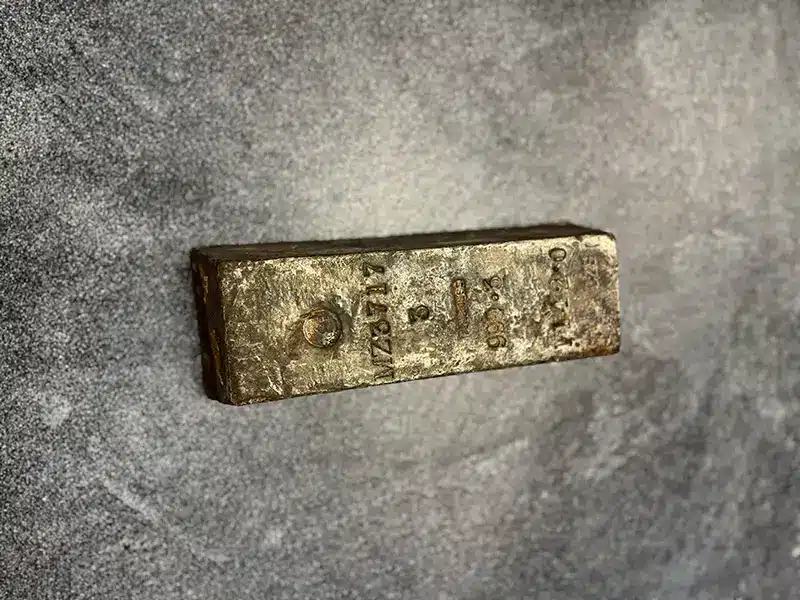
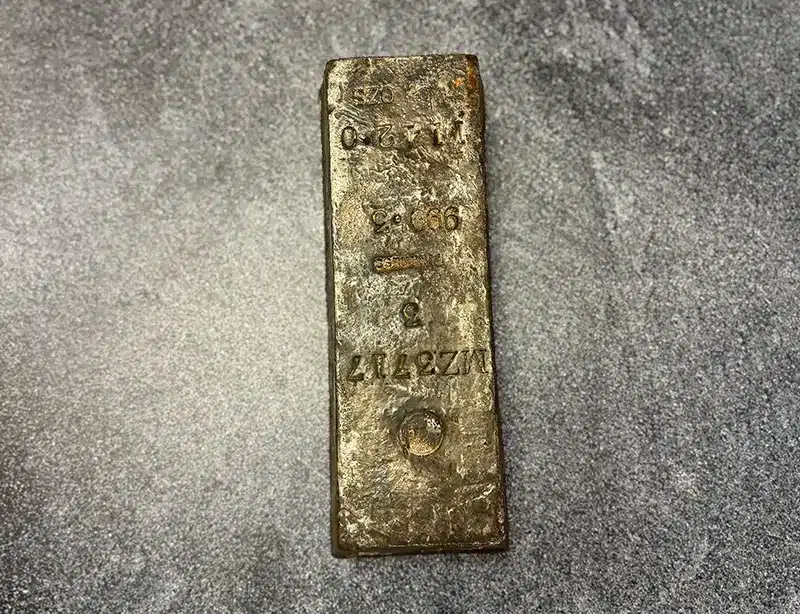
In 1942, the SS Tilawa departed Bombay carrying more than 2,300 silver bars produced by His Majesty’s Mint, Bombay. Designated for Allied financial systems, the shipment was bound for South Africa with scheduled stops along East Africa’s coast. These bars were part of Britain’s monetary strategy to support local currencies, sustain wartime trade, and keep Allied supply chains moving.
On November 23, 1942, a Japanese submarine torpedoed the Tilawa in the Indian Ocean. The attack claimed lives, sent 83 tonnes of silver to the ocean floor, and severed a vital stream of liquidity. The loss delayed currency distribution, strained regional economies, and disrupted an already fragile logistical network.
Explore the Recovery. Secure the Legacy.
Today, select silver bars from the SS Tilawa have been recovered and verified. These bars are authenticated wartime assets, preserved from a pivotal chapter in global monetary history. Each is a physical remnant of the British Empire’s global financial network and a direct link to the wartime shipping strategies that moved bullion across the empire to finance the Allied cause.
EmpireBars recovered from the Tilawa are available through Monex. Contact your Monex account representative to learn more about holdings, secure delivery, or institutional placement.
 Gold
Gold