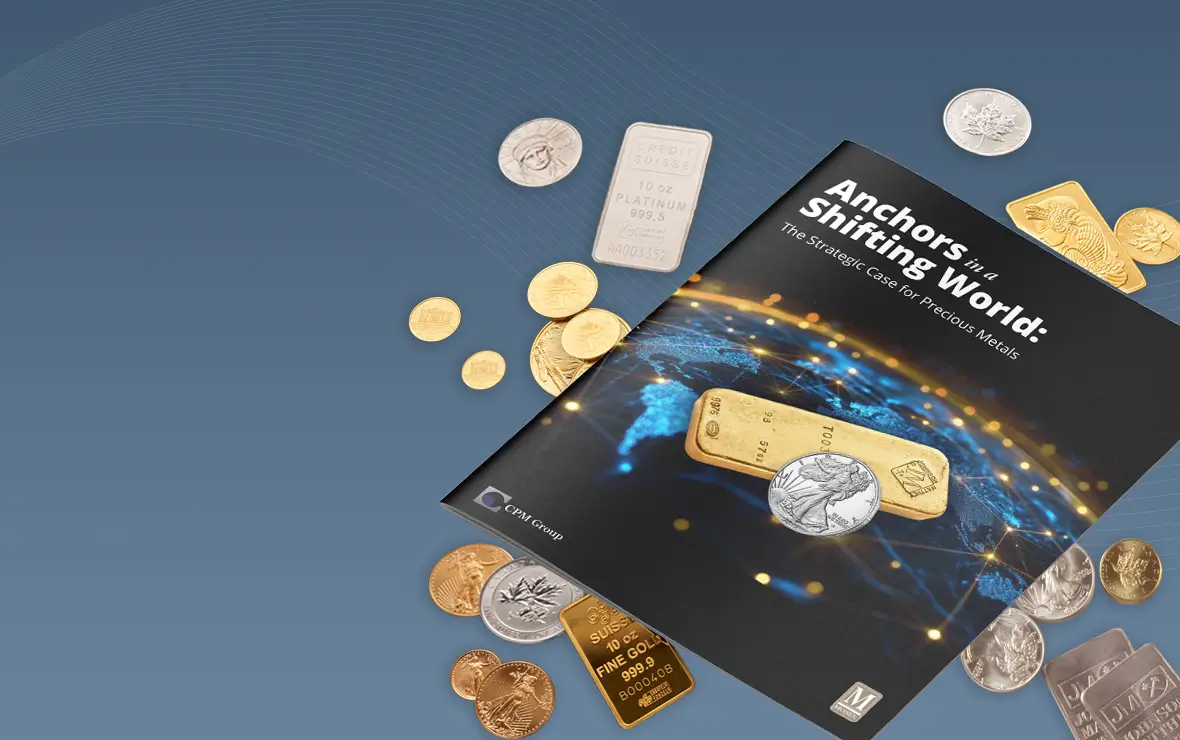
Live Gold Spot Prices
Gold prices change constantly, and our live spot gold prices and charts update every minute during trading hours to reflect recent market fluctuations. The gold price table below displays pricing in increments; gold price per gram, gold price per ounce and gold price per kilogram. Visit our interactive silver chart to view historical gold prices dating back 10 years.
your portfolio?
| Gold Spot Prices | Today | Change |
|---|---|---|
| Gold Prices Per Ounce | $4,479.00 | |
| Gold Prices Per Gram | $144.00 | |
| Gold Prices Per Kilo | $143,999.85 | |
Monex Live Gold Spot Prices
The Value of Precious Metals at Today's Price

Gold1 Kilo Bullion Bar
Ask$146,433.41+915.79Bid$141,396.39+915.79
Gold10 oz Bullion Bar
Ask$45,574.00+285.00Bid$44,006.00+285.00
Gold1 oz Bullion Bar
Ask$4,577.00+29.00Bid$4,401.00+29.00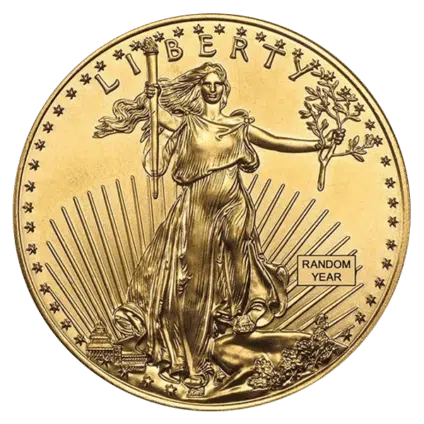
GoldAmerican Eagle Coin
Ask$4,627.20+28.69Bid$4,401.40+28.69
GoldAmerican Buffalo Coin
Ask$4,668.00+28.69Bid$4,440.20+28.69
GoldCanadian Maple Leaf Coin
Ask$4,601.20+28.69Bid$4,376.80+28.69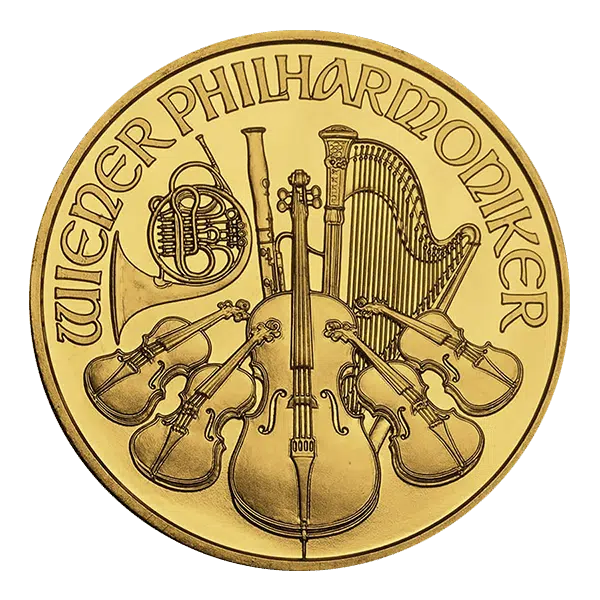
GoldVienna Philharmonic Coin
Ask$4,595.20+28.69Bid$4,371.00+28.69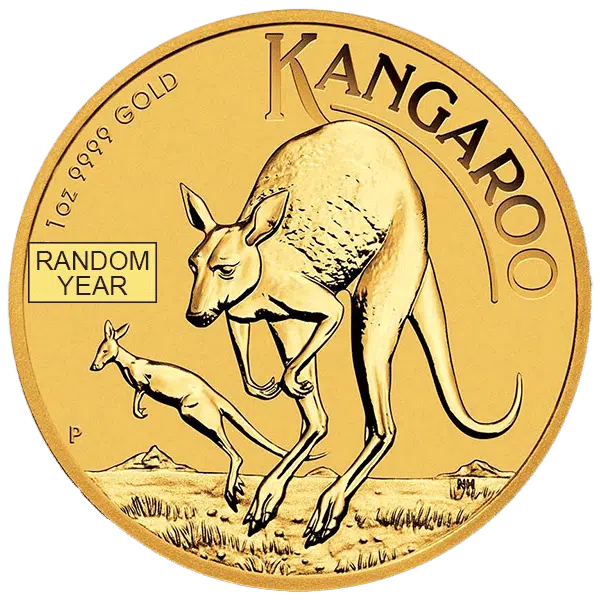
GoldAustralian Kangaroo Coin
Ask$4,600.30+28.69Bid$4,375.90+28.69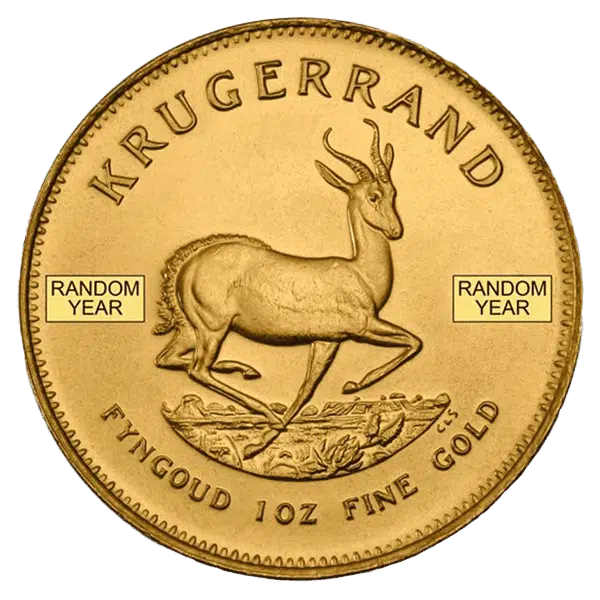
GoldSouth African Krugerrand
Ask$4,600.10+28.70Bid$4,375.70+28.70
GoldCanadian Klondike Coin
Ask$4,863.00+29.00Bid$4,313.00+29.00
Monex Gold Product Prices
We provide gold investors with up to the minute live gold product prices on in-demand gold bullion bas and coins.
LIVE GOLD PRICES
in your hand


The Gold/Silver
Price Ratio



Learn More About Precious Metals
Investing in precious metals shouldn’t feel complicated. Whether you’re building long-term wealth or drawn to the timeless appeal of gold, Monex gives you the tools to make informed, confident decisions.
Investor Kit
Want your kit sooner?
Faster delivery
is available by phone.
800-444-8317
How Gold Prices Work
How is the price of gold determined?
The price of gold is determined by global supply and demand in international bullion markets. Buyers and sellers around the world trade gold continuously, and those transactions establish the market price.
Various factors influence this price. Investor demand, central bank purchases, inflation expectations, currency movements, and geopolitical events can all affect buying and selling activity. Gold is also influenced by broader financial conditions such as interest rates and confidence in currencies.
Because gold trades globally and around the clock, its price reflects the combined actions of investors, institutions, and governments participating in the market.
What factors could cause gold prices to rise or fall?
Gold prices respond to a variety of economic and financial conditions. Periods of inflation, currency weakness, geopolitical tension, or financial market uncertainty often increase demand for gold as a store of value.
On the other hand, stronger currencies, rising real interest rates, or reduced investor demand can place downward pressure on gold prices. Central bank buying, changes in global investment flows, and broader commodity market trends may also influence price movements.
Like other globally traded assets, gold prices fluctuate as market participants respond to changing economic conditions.
What are gold support and resistance prices, and how are they determined?
Support and resistance refer to price levels where gold has historically tended to change direction.
A support level is a price area where buying interest has repeatedly appeared, and gold has stopped falling or moved higher.
A resistance level is a price area where selling pressure has appeared, and gold has struggled to move higher.
Analysts identify these levels by studying historical price patterns. Common methods include looking at previous price reversals, widely watched technical indicators such as the 100-day and 200-day moving averages, and charting techniques like trend channels or Fibonacci retracement levels.
While these tools can highlight areas where market activity may increase, gold prices are influenced by many external factors, including central bank activity, investor demand through funds and ETFs, and broader economic sentiment. Because of that, support and resistance levels should be viewed as reference points rather than precise predictions.
What factors could make gold worth less or even worthless?
Gold has held value for thousands of years and has never traded at zero in modern markets. While prices can rise and fall over time, gold’s value is supported by global demand as a store of wealth, a monetary reserve asset held by central banks, and a raw material used in industry and technology.
That said, gold prices can decline under certain economic conditions. A stronger U.S. dollar, rising real interest rates, or reduced investor demand for safe-haven assets can all place downward pressure on gold prices. Changes in central bank buying, shifts in inflation expectations, or improvements in geopolitical stability may also influence demand.
Like any traded commodity, gold responds to supply and demand. While its price can fluctuate with changing market conditions, its long history as a monetary metal and widely held asset has supported its value across many economic cycles.
What are some of the key historical events that affected gold prices?
From the first gold coins used as money at around 700 BC to modern day central banks and governments hoarding it, gold has had an eventful history. Below are just a few of the key dates and events in the history of gold in America:
- 1792: The Dollar is fixed by law at 24.75 grains or .05156 troy ounces of gold.
- 1837: The coinage was reworked and the dollar was revalued and fixed at 25.8 grains 9/10’s fine. One troy ounce of gold was now worth $20.67.
- 1837-1933: The value of one troy ounce of gold remained $20.67 for 96 years.
- 1933: President Roosevelt signed Presidential Executive Order 6102 making it unlawful to own gold coins, gold bullion, or gold certificates.
- 1934: The Gold Reserve Act passed Congress in just five days. All gold held by the Fed had title transferred to the U.S. Treasury.
- 1944: Adopted by Bretton Woods at $35 per troy ounce. The price remained until 1970.
- 1970: Gold begins to trade at around $40-42 per troy ounce.
- 1980: The value of gold reaches a new high at $837 per troy ounce.
- 1999-2001: Gold begins trading at $250.
- 2011: Gold reaches a historic high of $1924 per troy ounce only 10 years after trading at $250.
Gold Compared to Other Investments
Has gold outperformed stocks?
It depends on the time period being measured. Over some periods, gold has outperformed major stock indexes such as the S&P 500, while in other periods stocks have delivered stronger returns.
Gold and stocks serve different roles in a portfolio. Stocks represent ownership in companies and tend to benefit from economic growth. Gold is generally viewed as a hard asset and a store of value that can respond differently to inflation, currency movements, and periods of financial uncertainty.
Looking at longer time horizons, gold has at times outpaced stock market indexes during periods of inflation or market volatility. Because the two assets respond to different economic forces, many investors view them as complementary rather than direct competitors.
Investors may also gain gold exposure through gold ETFs, which track the price of gold, or mining stocks, which are influenced by gold prices but also by broader equity market factors. Both tend to be more volatile than physical gold in either direction. Physical gold offers more stability as a tangible asset.
Have gold prices outpaced oil and real estate prices?
At times, yes. Over long periods, gold has often appreciated at a faster rate than many other widely followed assets, such as crude oil or U.S. real estate.
Historically, gold bullion has averaged roughly 10 percent annual appreciation over the past century, while long-term averages for U.S. real estate and crude oil have been closer to about 4 to 5 percent per year. These differences reflect the fact that each asset responds to different economic forces. Oil prices are heavily influenced by global supply and production decisions, while real estate values often depend on local markets, financing costs, taxes, and maintenance expenses.
Gold tends to respond more directly to monetary conditions, inflation expectations, and periods of financial uncertainty. For that reason, there have been periods when gold prices have advanced more quickly than other assets, though performance has varied by time frame and economic environment.
Why do investors compare gold to stocks and other assets?
Investors often compare gold to other assets such as stocks, real estate, or commodities to understand how it performs under different economic conditions.
Stocks typically reflect corporate growth and economic expansion, while gold is often viewed as a store of value that can respond differently to inflation, currency movements, and periods of financial uncertainty. Because these assets react to different economic forces, comparing them can help investors evaluate diversification and long-term portfolio balance.
Why is gold valuable?
Much of gold's value comes from its scarcity. Research suggests that if you added up the world’s holdings of gold throughout all of history, you would only get about 120,000 metric tons. And to understand how gold is still scarce today, consider that every year the world’s supply of gold increases 2,000 tons, in contrast to American steel which increases an average of 10,500 tons per hour!
Because of gold’s dynamic nature, investors place a value on gold for different reasons. Some will see gold and think of the scarcity, some will think of its ability to be traded, others will think about its potential as a safe haven investment, no matter the reason, investors will often look to gold when they are looking for an investment in precious metals.
Why do investors choose to buy gold?
Gold offers many of the benefits that come with owning physical precious metals such as portfolio diversification, high liquidity, a potential hedge against inflation, and more. Investing in gold also means you are investing in a metal that is used on a global scale. Gold is traded in global markets from New York to Hong Kong to Zurich. Almost every major government in the world holds a certain amount of gold as a vital reserve asset. As far as benefits go, this simply scratches the surface as to why gold is not just a powerful commodity to invest in, but also popular around the entire globe.
Gold Market Outlook
Have I missed the run in gold?
Not necessarily. Gold markets tend to move in long cycles, and price increases often occur over extended periods rather than in a single short surge. Investors who follow gold typically view it as a long-term holding rather than a short-term trade. Demand for gold is often influenced by factors such as inflation concerns, currency movements, and broader economic uncertainty.
How high can gold prices go?
There is no fixed limit on how high gold prices can rise. Gold trades in a global market where prices are shaped by supply, demand, monetary conditions, and investor sentiment. Analysts sometimes publish price targets based on economic forecasts, but future price levels depend on many changing factors, including inflation trends, interest rates, and geopolitical developments.
Gold prices can pause or reverse when economic conditions change. For example, stronger currencies, higher real interest rates, or reduced market uncertainty can affect investor demand for gold. Because these conditions change over time, gold markets typically move in cycles rather than following a straight trend.
Is there still more upside for gold and silver?
Analysts believe gold and silver will continue to attract demand during periods of economic uncertainty, currency volatility, or geopolitical tension. Gold is often viewed as a store of value, while silver also has significant industrial uses in areas such as electronics, energy technologies, and manufacturing. As with any asset, future price performance depends on broader market conditions and investor demand.
Buying & Owning Gold
Why are American Eagle gold coins priced higher than other gold coins?
American Gold Eagle coins often carry higher premiums than some other gold bullion coins due to a combination of supply, distribution, and investor demand. The coins are produced by the United States Mint and distributed through a limited network of authorized purchasers, which can affect market availability.
Investor preference also plays a role. Many buyers prefer owning a gold coin issued by the U.S. Mint and denominated in U.S. dollars. Because of this consistent demand, American Gold Eagles may trade at higher premiums than some other widely recognized bullion coins such as Maple Leafs, Philharmonics, Kangaroos, or Krugerrands. As with all bullion products, premiums ultimately reflect supply and demand conditions at a given time.
How do I know my gold is real?
One of the most important safeguards is buying from a reputable precious metals dealer. Established bullion firms source products directly from recognized mints and refineries and verify authenticity before selling them to investors.
Gold can also be tested using several methods. Simple checks such as confirming weight, dimensions, and whether the metal reacts to a magnet can provide basic indications, since pure gold is not magnetic. More advanced verification methods include chemical testing, electronic analyzers, and professional assays that confirm metal purity.
For most investors, purchasing from a trusted source with established verification procedures is the most reliable way to ensure the authenticity of gold products.
What should investors consider before buying gold?
Before buying gold, investors should consider the type of product they want to own, current market pricing, and the dealer's reputation. Gold coins and bars can carry different premiums depending on demand, mint production, and market conditions.
Many investors also review live market prices and historical price charts to understand recent price trends before making a purchase. Purchasing from an established precious metals dealer that verifies product authenticity and provides transparent pricing can help investors make more informed decisions.
How do I start investing in gold?
Are you interested in getting started? Give Monex a call at 800-444-8317 and speak with one of our knowledgeable Account Representatives about investing in gold. Discover more about our exceptional two-way buy/sell market and our quality gold products, and the price of gold today, as well as the benefits that investing in precious metals may add to a traditional investment portfolio.
Should I buy gold bars or gold coins?
The many advantages of owning physical gold give you good reasons to invest in either gold bars or gold coins. Bars are often bought by investors who are looking for storage and while the convenience of taking delivery of gold coins often makes investors more prone to go with that option, you still have the option of storage with either gold coins or gold bullion. An investor who is looking for a convenient way to take delivery of gold bullion will often acquire a 10 ounce gold bullion bar or perhaps 10 one ounce Gold American Eagle coins or Gold American Buffalo coins. Ultimately, the choice is yours and our inventory here at Monex allows you to invest in precious metals many different ways.